Guide No. 01 · Start here
The Buy-It-For-Life Philosophy Explained
What "buy it for life" really means, why it saves money and hassle, where it goes wrong, and how to start without replacing everything you own.
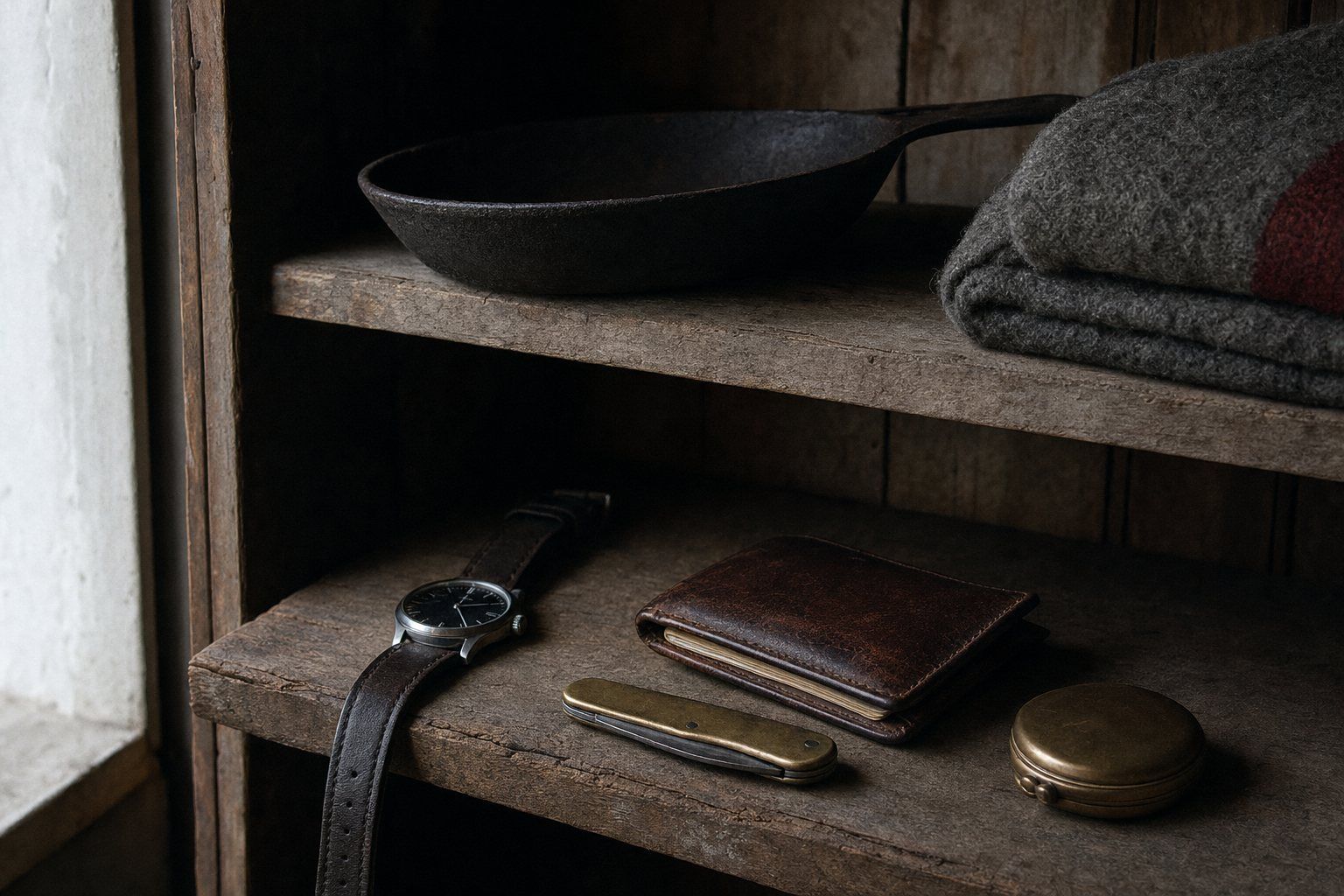
“Buy it for life” is a simple idea: when you need something you’ll use for years, buy a version that can last for years, then look after it. Fewer purchases, fewer replacements, less waste, and usually less money spent over time.
It sounds obvious. It isn’t how most things are sold. This guide explains what the idea really means, where it came from, where it goes wrong, and how to start.
What “buy it for life” actually means
It doesn’t mean “buy the most expensive one.” It doesn’t mean nothing ever wears out. A buy-it-for-life item is one that:
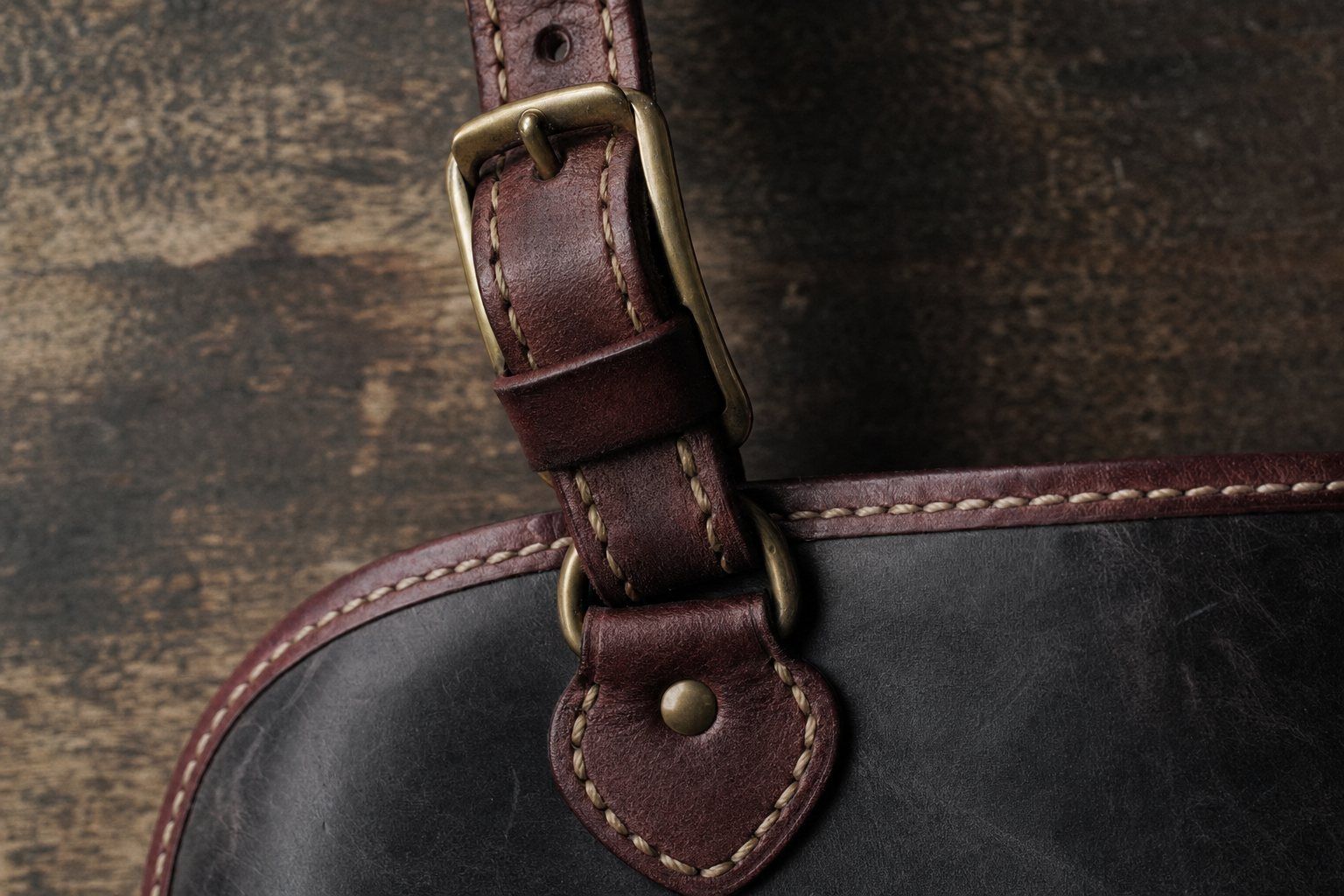
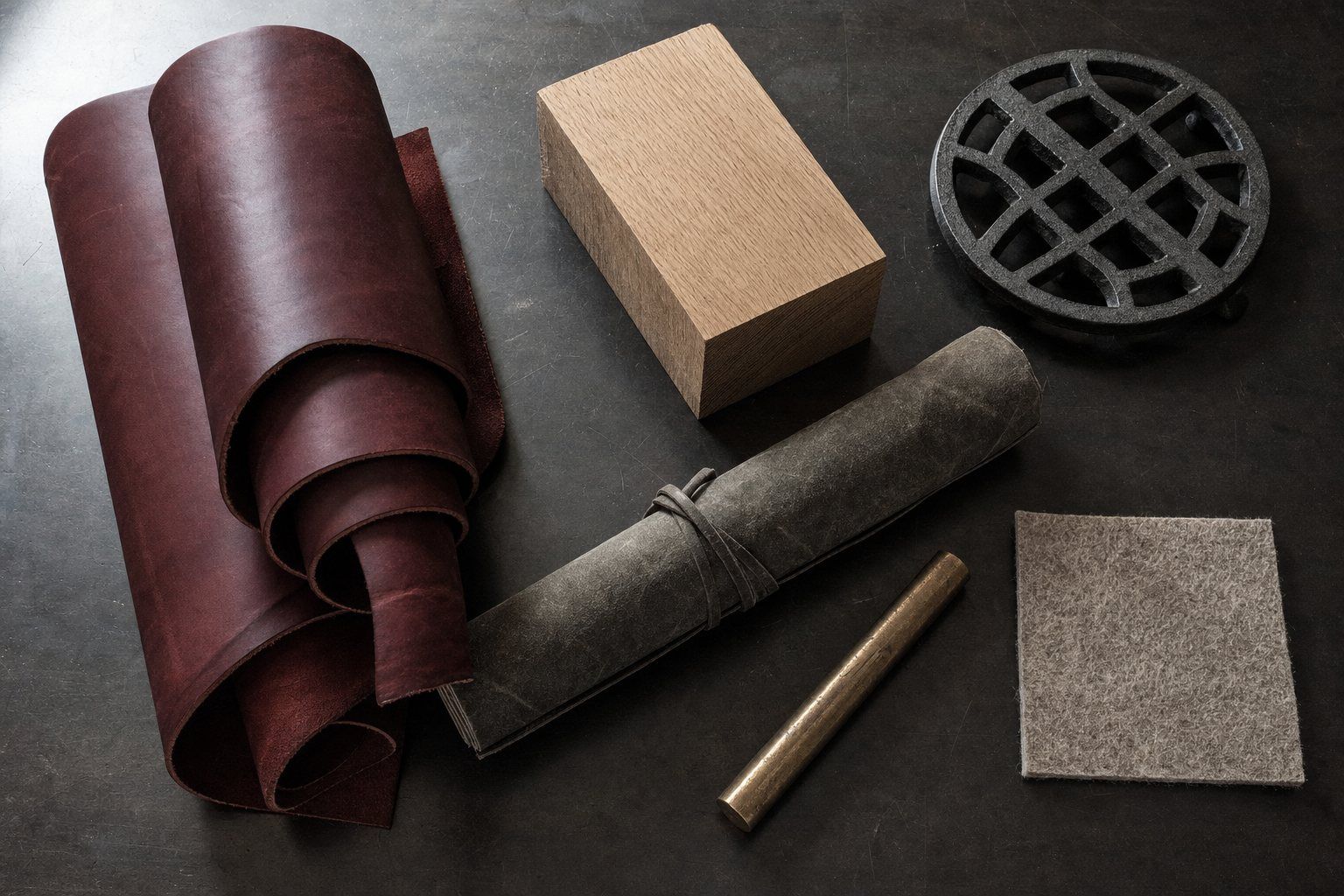
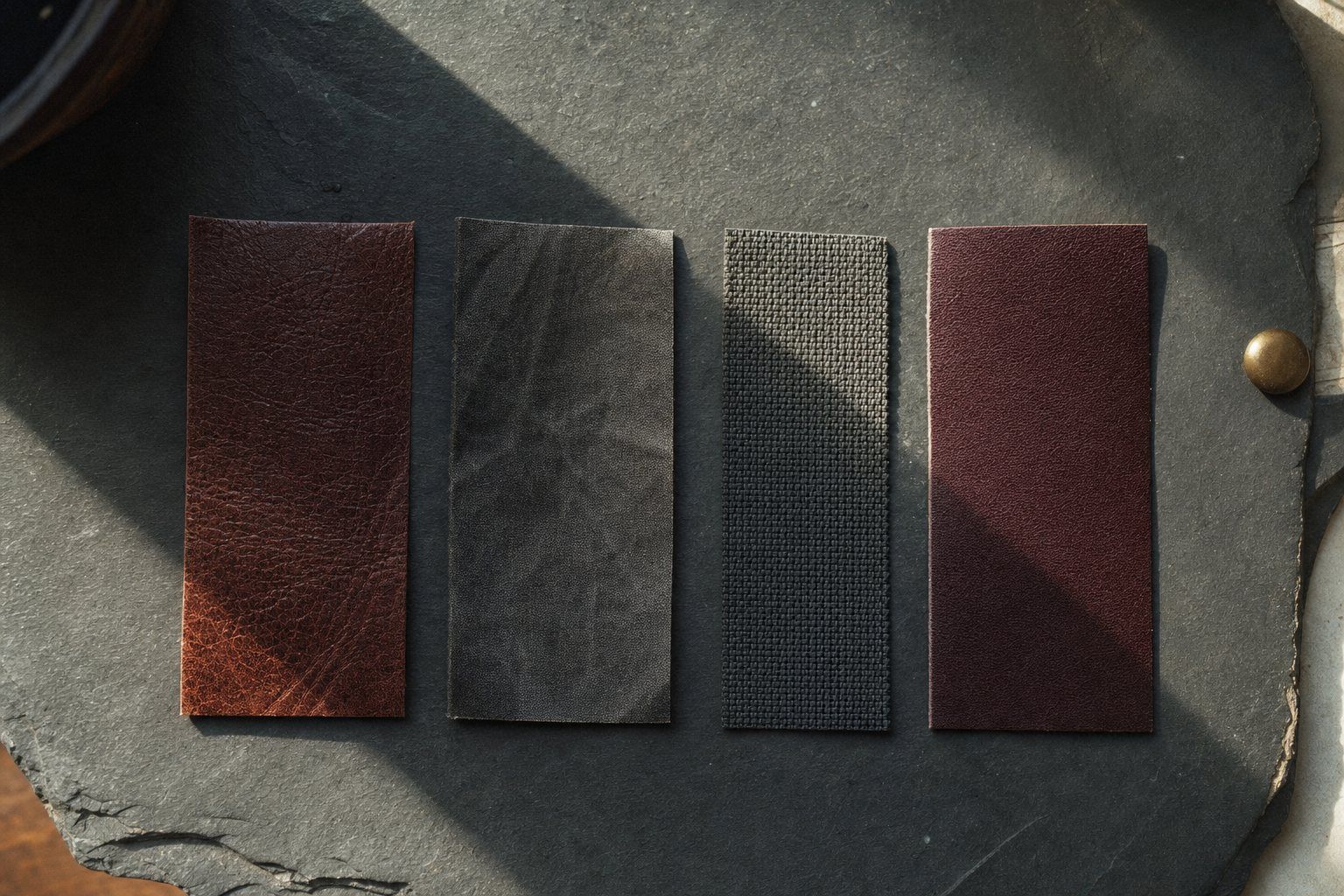
- is made of materials that age slowly, like full-grain leather, cast iron, solid wood, wool or heavy canvas;
- is built to take strain where strain happens: stitched, riveted and reinforced, not just glued;
- can be repaired when a part does wear out: a new sole, a new zipper, a re-seasoned pan;
- rewards simple care with a longer life, and often looks better with age;
- costs less per year of use than the cheap alternative you’d otherwise keep replacing.
Those five points are the tests we use across this site. If you want the detail, start with what makes a product truly built for life.
Why it’s worth doing
It usually costs less
A $60 bag that lasts two years costs $30 a year. A $350 bag that lasts twenty costs about $17.50 a year, and that’s before you count the time spent shopping for the next cheap one. The math doesn’t always favor the expensive option, which is why we built a cost per year calculator to check it honestly.
It’s less hassle
Every replacement is a small chore: research, ordering, returns, breaking in. Things that last remove that chore for years at a time.
It’s less waste
The most sustainable product is usually the one you already own. A pair of boots resoled three times keeps several pairs of shoes out of the landfill.
You trust your things
There’s a quiet satisfaction in a tool, bag or pan that you know will work every time. You stop babying it and start using it.
Where the idea goes wrong
Like any good idea, this one gets bent by marketing. Watch for these traps:
- Price as proof. Expensive doesn’t mean durable. Many premium brands use the same thin materials and glued construction as cheap ones, with a nicer logo.
- The lifetime warranty. A warranty is a promise about the company, not the product. Companies change owners and policies. A product you can repair locally beats a warranty you have to mail in.
- Buying for an imagined life. A heavy leather briefcase is a poor buy if you work from home in sweatpants. Buy for the life you actually live.
- Replacing things that still work. Throwing out a working item to buy a “forever” version defeats the purpose. Replace things when they wear out.
- Treating it as a collection. Buy-it-for-life is about owning fewer things, not acquiring more nice ones.
How to start
You don’t need to replace everything. Start where it pays most.
- Make a list of what you replace most often. Bags, shoes, kitchen pans, belts, wallets, umbrellas, jackets. Frequent replacements are where durability pays back fastest.
- Wait until the current one wears out. Use what you have. Then buy the next one well.
- Learn to judge construction. Read common signs of poor construction before you shop. It’s the most useful ten minutes you’ll spend.
- Check that it can be repaired. Ask: who would fix this in ten years? Our guide to why repairability matters covers what to look for.
- Plan for care. Most long-lived goods need a little upkeep. See how to maintain gear so it lasts decades.
A good first list
If you want somewhere specific to begin, these are categories where well-made versions commonly last decades:
| Category | Long-lasting version | What usually fails on cheap versions |
|---|---|---|
| Belt | Single-layer full-grain leather, solid buckle | Bonded leather peeling at the holes |
| Skillet | Cast iron or carbon steel | Non-stick coating wearing off |
| Boots | Stitched welt that can be resoled | Glued sole separating |
| Bag | Full-grain leather or heavy canvas, stitched and riveted | Handles tearing out, zipper failing |
| Wallet | Full-grain leather, stitched edges | Edges splitting, lining fraying |
| Knife | Solid steel, full tang | Handle loosening, blade chipping |
For typical lifespans, see how long should quality gear last?
The short version
Buy fewer things. When you need one, buy one that’s made of lasting materials, built to take strain, and repairable. Look after it. Fix it when it breaks. That’s all buy-it-for-life really is.